
Buyer Guides
What Distributors and Wholesalers Should Compare Beyond Unit Price
Factory pricing is only one line in a distribution decision. Range depth, spec consistency, branding options and regional stock decide what sells through.
When a distributor adds a phone-holder line, the unit price is the easiest number to compare and often the least important one. The number that decides whether the line works is what happens on the second, third and tenth order.
Range depth: one supplier or five
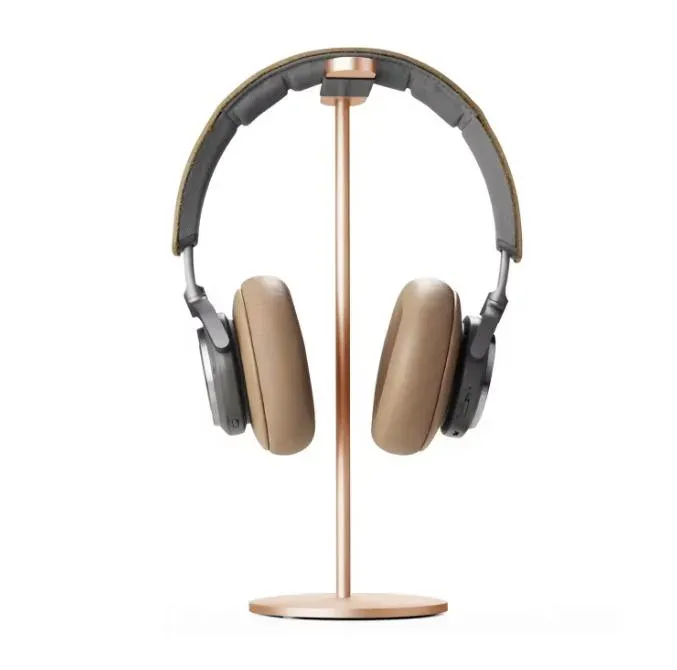
A distribution catalogue needs enough categories to give a reseller a reason to order once and reorder. Phone holders split into car mounts, desk and laptop stands, headphone stands, tablet holders, bike and motorcycle mounts, and remote controls. Buying those from one factory means one set of terms, one shipping arrangement and one specification standard instead of five.
It also means the catalogue can be built around a coherent price ladder, from a metal plate accessory at the entry point up to an aluminium tablet floor stand, without mixing suppliers whose quality varies between categories.
Specification consistency between shipments
The quiet failure mode in distribution is drift. The first container arrives as specified, the second one arrives with a different finish, a slightly different colour match or a lighter base, and the reseller who bought on the first shipment now has a comparison problem. That is a supplier-stability question, not a price question.
It is worth asking a prospective factory how it holds a specification across repeat orders, and what documentation comes with each batch. For an ISO 9001 certified factory, that process is audited rather than promised, which is a more useful answer than a discount.
Customisation, not just catalogue supply
Distributors increasingly compete on something other than price: private-label packing, a custom logo on the product, or a colour set matched to their market. A factory that runs OEM and ODM programmes can supply the same holder as a stock item and as a branded one, which lets a distributor move a product from catalogue entry to own-brand line without changing supplier.
The same capability is what makes a house brand possible. If the factory develops several new models every month, a distributor has a steady stream of candidates to put its own name on rather than reselling whatever the market already carries.
Logistics and regional stock
Freight is where a distribution margin quietly leaks. Consolidated shipping, where several orders are grouped into one sea shipment, spreads the freight cost across more units than a single small order can. Factories serving the UK and UAE often run regular consolidated sailings for exactly that reason.
Local stock is the other lever. When a factory holds inventory in the destination region, a distributor can replenish mid-season without waiting for a full production and shipping cycle. That turns a container business into something closer to a just-in-time supply, which is often what the reseller downstream actually needs.
Six questions worth asking a factory
How many holder categories can you supply from one line? How do you hold a specification across repeat orders? Can you supply the same model as stock, private label and custom logo? How many new designs do you add each year? Do you consolidate shipments for my region? Do you hold local stock in my market? The answers to those questions will move a distribution decision more than the last few cents on a unit price. The supplier who can show you the best car phone holder for your customers, and explain in plain terms why that car phone holder beats the next one on the shelf, is the supplier to build a phone holder range with. When you're ready to compare suppliers, request a quote with your categories, quantities and target market.