Buyer Guides
Adding Phone and Tablet Holders to a Consumer Electronics Line-Up
Why phone and tablet holders are an efficient add-on category for electronics retailers: device fit, price positioning, and what to look for in the supply base.
Every consumer electronics store already sells the device the holder exists for. That is what makes holders an efficient addition to an existing line-up: the customer is already in the aisle for a phone, a tablet or a headset, and the holder is the accessory that makes the device easier to live with.
Why accessories outperform their shelf space
A phone or a tablet is a considered purchase with a long replacement cycle. A holder is a low-consideration accessory with a much shorter one, and it attaches naturally to the device the customer is already buying. The result is that a small accessory display can contribute more margin per square metre than the devices surrounding it.
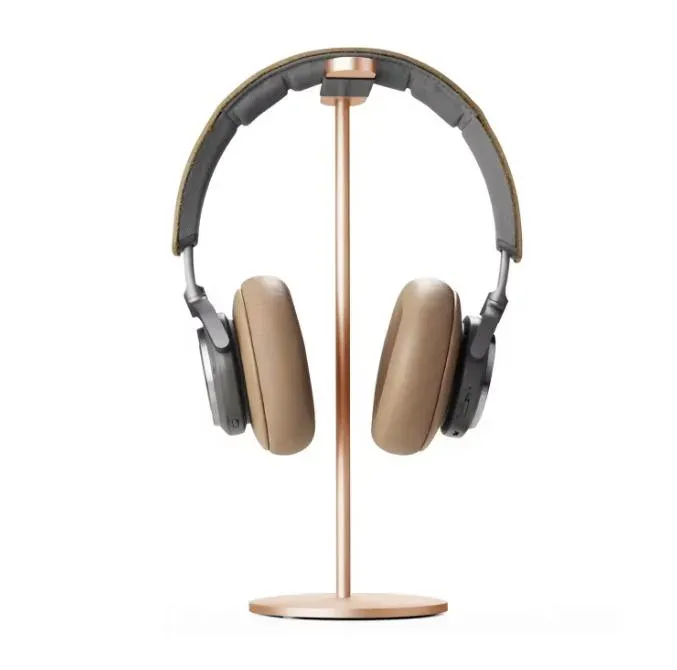
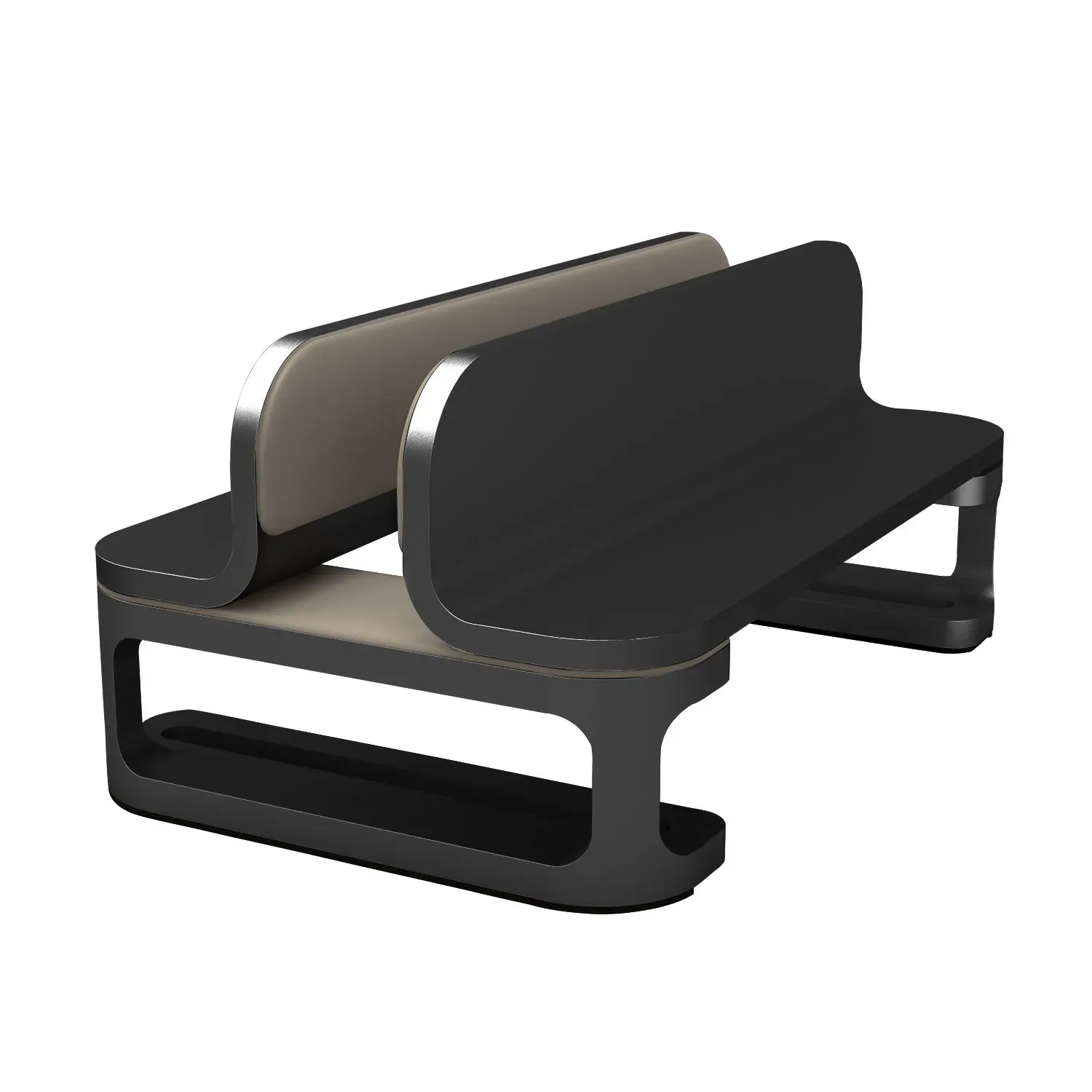
The categories that fit an electronics storefront are the ones with an obvious device relationship: car mounts for drivers, desk and laptop stands for home-office customers, headphone stands for the audio buyer, tablet floor stands for home and studio use, and remote controls for content creators and selfie users.
Price positioning decides whether the category sells
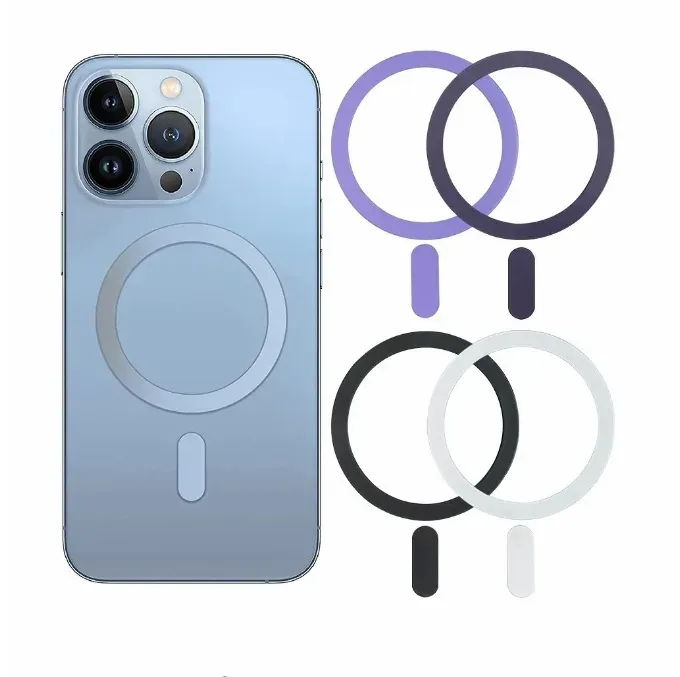
A holder line only works at retail if it has a clear entry point and a clear step-up. The entry product gives the customer an easy yes; the step-up gives the store margin. A range that starts at an accessory item, such as a metal plate or a compact ring holder, and rises through branded-name desk stands to aluminium tablet stands covers both.
This is where factory-direct supply changes the arithmetic. Buying the range from the manufacturer rather than through an importer removes a layer of margin, which is what makes it possible to price the entry product attractively without giving away the top of the range.
Range planning against your existing catalogue
The practical way to plan the addition is to walk the existing catalogue and look for the devices that have no matching accessory. A store that sells tablets but no tablet stand, or audio gear but no headphone stand, has a gap that a holder line fills without competing with anything already on the shelf.
It also helps to check what the holder line can be later. A supplier that runs OEM and ODM programmes can take a holder that sells well as a stock item and turn it into a store-brand product, which is how an accessory line becomes a margin line rather than a convenience shelf.
What to look for in the supplier
For retail, the requirements are different from a distribution or promotional buy. The range needs to be wide enough to fill a display, the specification needs to hold so that the second order matches the first, the packing needs to survive retail handling, and the supplier needs category depth so that new device trends can be answered with a new holder rather than a search for a new factory.
A factory that develops five or six new models every month, holds quality-management and social-compliance certification, and can supply across car, desk, audio, tablet and bike categories covers those requirements from one relationship. That is a simpler supply chain than assembling the same range from several vendors, and it is easier to keep the price positioning consistent across the whole shelf. A supplier who can add an iPad stand, another tablet stand and a phone stand to the range without a new tooling project is the one worth growing with. Browse the full phone holder range to compare car, desk, tablet and headphone options in one place.