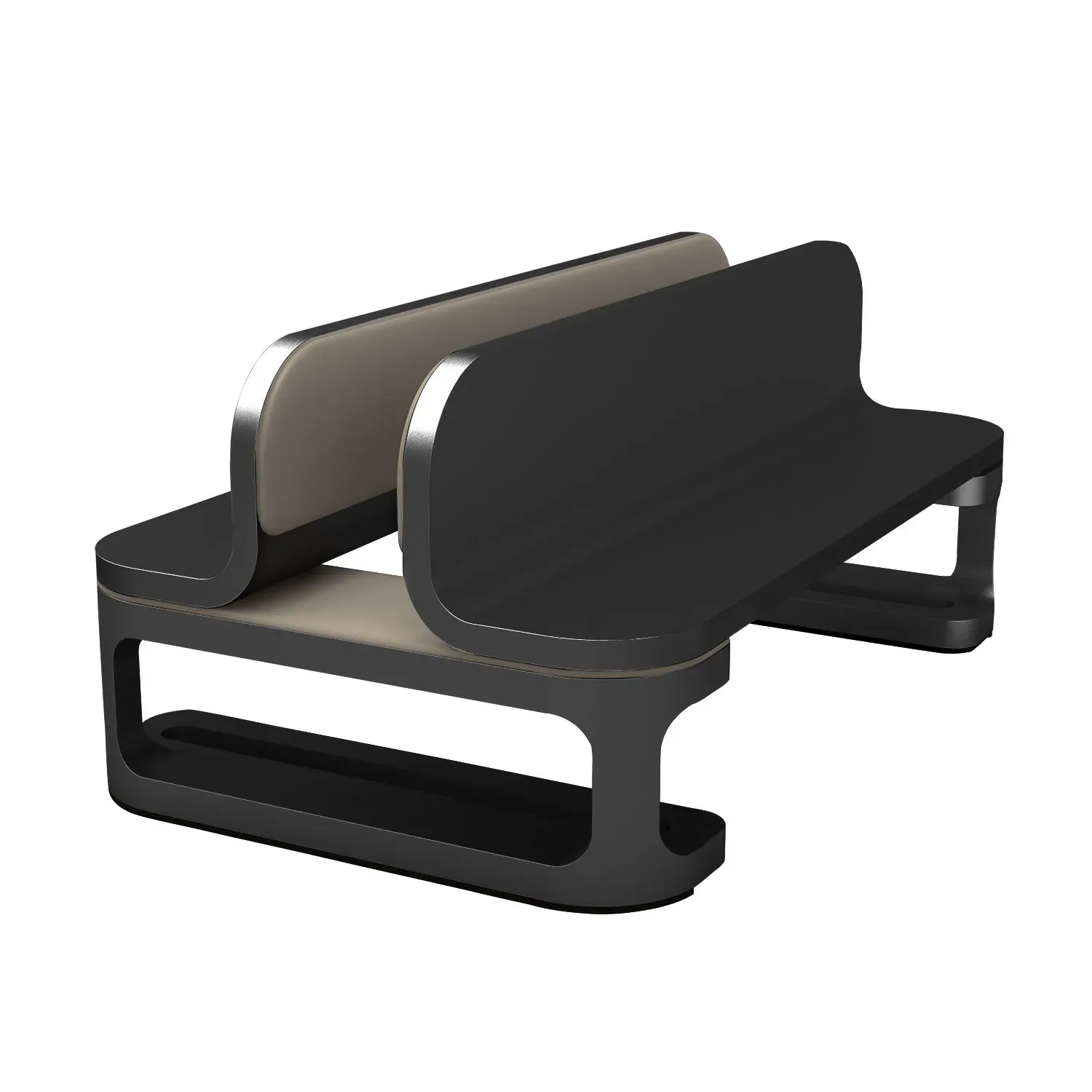
Buyer Guides
A Buyer's Checklist for Sourcing Phone Holders
A practical sourcing checklist for phone holders: define the use case, decide what is truly custom, ask for audited proof, and plan for the repeat order.
Buyers arrive at a phone-holder order from different directions. A promotional buyer needs a branded run that lands on a campaign date. A distributor needs a range that still sells on the tenth order. A retailer needs categories that sit beside the devices already on the shelf. The questions that decide the outcome are largely the same.
Start with the product, not the price
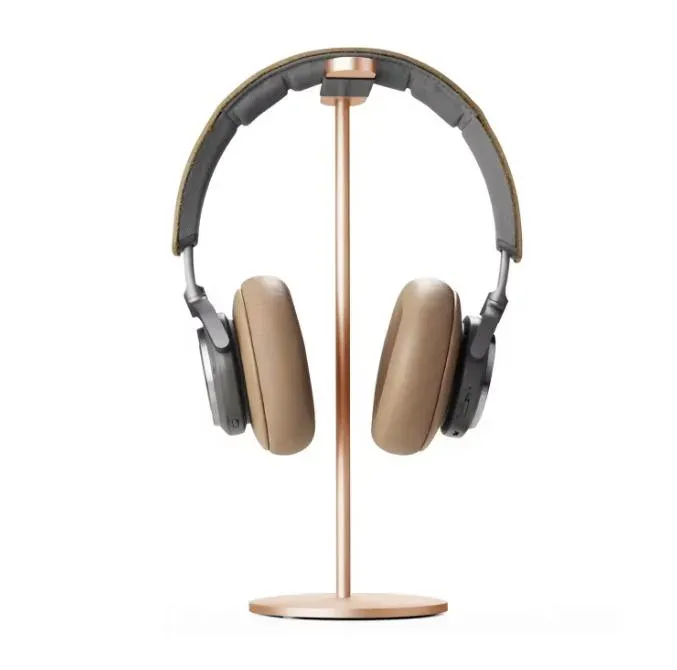
The first question is what the holder has to do. A car mount is judged on how it holds through a drive. A desk stand is judged on angle and stability. A headphone stand is judged on whether it looks right on a desk. Specifying the use case first keeps the price conversation honest, because a holder that gets replaced is never the cheap option.
Decide what has to be customised
There is a large distance between printing a logo on an existing holder and developing a new housing. Printing, laser marking and private-label packing can be applied to models that already exist, which keeps minimums low and schedules short. Changing the housing or the moulded parts moves the project into tooling, with a higher minimum and a longer lead time. Knowing which side of that line your project sits on is the single most useful thing to establish early.
Ask what the factory can prove
Claims about quality are easy to make and hard to check. Certifications such as ISO 9001 and BSCI are audited, which makes them a stronger signal than a brochure. So is in-house capability: a factory that runs its own CNC machining, bending, drilling, grinding, laser marking and salt-spray testing controls the parts of the process that decide whether a batch comes out consistent.
Match the order to the channel
A promotional run, a wholesale container and a retail restock have different economics. Promotional orders live or die on the minimum and the date. Wholesale orders live on range depth and spec consistency between shipments. Retail orders live on price positioning across a range, from an entry accessory to a step-up product. A factory that supplies all three channels can quote against the one you are actually buying for, rather than pushing a single commercial model.
Plan the second order before the first
Most of the value in a holder line comes from the repeat order, so it is worth asking how the supplier holds a specification across shipments, what documentation comes with each batch, and whether the same model can be delivered as stock, private label or a custom-branded version later. A range that starts as a catalogue item and grows into a house brand only works if the first shipment and the tenth are the same product.
Use the factory's development capacity
A manufacturer that adds new holder designs every month is a source of range, not just a source of units. Before starting a new tool, it is worth asking whether an existing model already fits the brief. Reusing a proven holder and customising the branding or packing is usually faster and cheaper than developing a new design, and it moves the buyer from an enquiry to a delivered run with fewer steps.
The checklist in short: define the use case, decide what is genuinely custom, ask for audited proof rather than claims, match the commercial model to your channel, plan for the second order, and check the factory's existing range before commissioning a new one. Get those four decisions right, and any phone holder, from a car phone holder to a headphone stand, is easier to compare, price and reorder. To start a custom logo run, request a quote with your model, quantity and delivery date.